How to Get Rid of Pimples
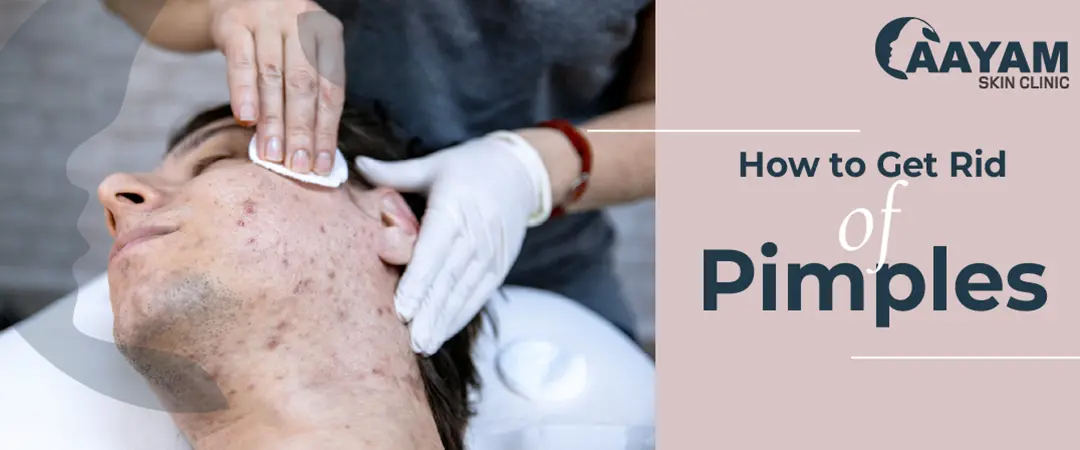
Pimples are a common skin issue that can impact anyone, at any age. Whether you’re dealing with them during puberty, due to hormonal changes, or as an adult, acne can be frustrating. At Aayam Skin Clinic, we provide expert tips and treatments to help you manage pimples effectively. In this guide, we’ll share practical tips, the causes of pimples, and the best skincare practices to prevent future breakouts. For those struggling with persistent acne, Pimples its Marks & Scars treatment can help address deeper concerns.
Understanding the Causes of Pimples
Before we dive into solutions, let’s first understand what causes pimples. Pimples are formed when pores are clogged by excess oil, dead skin cells, and bacteria. This results in inflammation and the development of pimples. There are several factors that contribute to acne:
- Excess Oil Production: When sebaceous glands produce too much oil, it can clog pores, leading to pimples.
- Bacterial Growth: Bacteria thrive in clogged pores, causing infection and inflammation.
- Hormonal Changes: Fluctuating hormones during puberty, menstruation, pregnancy, or other hormonal changes can lead to acne.
- Diet: High sugar, dairy, and greasy foods may contribute to acne formation.
- Stress: Stress triggers an increase in cortisol, which can boost oil production in the skin.
- Skincare Habits: Using products that aren’t suited to your skin type can lead to clogged pores and acne.
1. Cleanse Your Skin Regularly
Regular cleansing is one of the most effective ways to prevent pimples. Washing your face twice a day, once in the morning and once before bed, removes dirt, oil, and bacteria. Choose a gentle cleanser with salicylic acid or benzoyl peroxide to target acne-causing bacteria. These ingredients not only clean your skin but also help prevent future breakouts by penetrating pores and reducing oil production.
Tip: Be sure not to scrub your face too hard, as this can irritate the skin and make acne worse.
2. Use Non-Comedogenic Products
When choosing skincare and makeup products, look for those labeled non-comedogenic, meaning they won't clog your pores. These products are formulated specifically to prevent the buildup of oil and bacteria inside your pores, which can cause pimples. Whether it’s your sunscreen, moisturizer, or makeup, using non-comedogenic products is essential for maintaining clear skin.
3. Apply Acne Treatments
To treat pimples, use targeted acne treatments. Here are some key ingredients that are proven to help:
- Benzoyl Peroxide: Reduces acne-causing bacteria and helps reduce inflammation.
- Salicylic Acid: Exfoliates the skin and clears out pores.
- Tea Tree Oil: A natural alternative that has antibacterial properties to reduce pimples.
- Retinoids: Promote skin cell turnover, preventing clogged pores and new pimples.
Apply these treatments directly to pimples or use them as spot treatments. Be patient, as acne treatments take time to show results. In many cases, dermatological solutions like Chemical peeling for Pimples & Dark Spots can help speed up skin renewal.
4. Avoid Touching or Popping Pimples
Touching your face or popping pimples may seem like an easy fix, but it can actually make acne worse. When you pop a pimple, you risk pushing bacteria deeper into the skin, which can lead to more inflammation and even scarring. It’s best to leave pimples alone and allow them to heal naturally.
5. Exfoliate Gently
Exfoliating helps remove dead skin cells, preventing clogged pores. However, over-exfoliating can irritate the skin and trigger more pimples. Aim to exfoliate once or twice a week with a mild exfoliant containing salicylic acid or gentle physical exfoliants like sugar or jojoba beads. Avoid harsh scrubs that can cause microtears in your skin.
Tip: Always follow exfoliating with a soothing moisturizer to keep your skin hydrated.
6. Use Oil-Free Makeup
Heavy makeup can contribute to clogged pores, so always opt for oil-free and non-comedogenic makeup products. When removing makeup, use a gentle makeup remover or micellar water to ensure your skin is clean at the end of the day. Never sleep with makeup on, as this can trap oil and bacteria in your pores, causing pimples.
7. Stay Hydrated and Eat a Balanced Diet
Hydration is key to healthy skin. Drinking plenty of water helps flush out toxins and supports overall skin health. Aim for at least 8 glasses of water a day to keep your skin clear.
Additionally, maintaining a balanced diet rich in fruits, vegetables, lean proteins, and whole grains can help improve your skin. Limit your intake of sugary, fatty, or dairy-heavy foods, which can trigger acne in some people.
8. Manage Stress Effectively
Stress is a common cause of pimples. It triggers the release of cortisol, which increases oil production in your skin. To manage stress, consider incorporating activities like yoga, meditation, or deep breathing exercises into your routine. Exercise is also a great stress reliever and can help improve skin health.
9. Seek Professional Help When Needed
If your pimples persist despite trying home remedies, it’s time to consult a dermatologist. A skincare expert can recommend stronger treatments, such as prescription medication, Dermaroller Therapy , For Acne Scars And Stretch Marks or advanced skincare solutions like Hydra Facial/Medi Facial. At Aayam Skin Clinic, we offer personalized acne treatments that are tailored to your skin’s unique needs, helping you achieve clearer, healthier skin.
FAQs About Get Rid of Pimples
1. How can I get rid of pimples quickly?
Use a spot treatment with benzoyl peroxide or salicylic acid. Applying ice can also reduce swelling temporarily.
2. Does vitamin C help clear pimples?
Yes, vitamin C helps lighten dark spots left by pimples and promotes overall skin brightness.
3. Can stress cause pimples?
Yes, stress triggers cortisol production, leading to increased oil production and clogged pores.
4. Is it okay to pop pimples?
No, popping pimples can push bacteria deeper into the skin, causing more inflammation and potential scarring.
5. How long does it take for a pimple to heal?
A pimple typically takes about 3-7 days to heal, depending on its severity.