Causes of Hair Loss and Effective Treatment Options
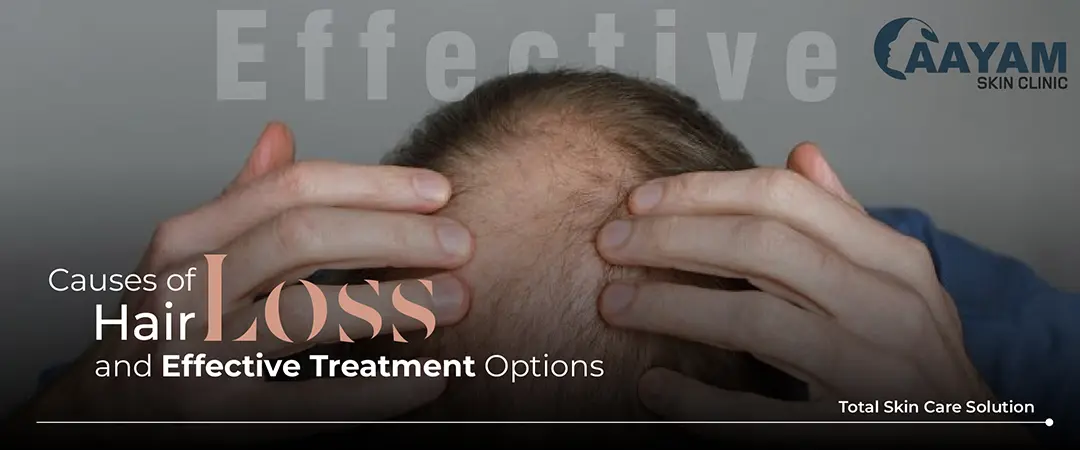
Hair fall often starts with small signs. You may notice more strands on your pillow, extra hair in the shower drain, a wider parting, or a receding hairline. At first, it may not seem serious. But when the shedding continues for weeks or the scalp starts becoming visible, it deserves attention.
The causes of hair loss and effective treatment options differ from one person to another. Some people lose hair because of genetics, while others may face the problem after stress, illness, poor nutrition, hormonal changes, or scalp infection. That is why using random oils, shampoos, or supplements may not solve the problem. The first step is to find out what is causing the hair fall.
Is Daily Hair Fall Normal?
Losing some hair every day is normal. Hair grows in a cycle, and older strands naturally fall out to make space for new growth. However, heavy shedding, bald patches, or visible thinning may point to a problem.
You should pay attention if you notice:
- Large amounts of hair while washing or combing
- A receding hairline
- Thinning around the crown
- A wider middle part
- Round bald patches
- Itching, redness, or scaling on the scalp
For example, finding a few strands on your comb is common. Finding a handful of hair every morning is not something you should ignore.
Common Causes of Hair Loss
Genetic Hair LossFamily history plays a major role in hair loss. Men may notice the hairline moving backwards or thinning near the crown. Women often see reduced volume and a wider parting.
This type of hair loss usually develops slowly. It may not stop on its own, but early treatment can help slow it down and protect existing hair.
Stress and Lack of SleepMental stress can affect the hair-growth cycle. So can surgery, high fever, rapid weight loss, childbirth, or a serious illness. In many cases, hair shedding starts two or three months after the stressful event.
A person may recover from an illness and feel healthy again, but the hair may start falling later. This delayed reaction often surprises people.
Poor Diet and Nutritional DeficiencyHair needs protein, iron, zinc, vitamin D, vitamin B12, and other nutrients. Crash diets, skipped meals, and low-protein diets may weaken hair growth.
If the body does not receive enough nutrition, it gives priority to essential organs. Hair growth may slow down because the body does not treat it as a basic survival need.
Do not start supplements without medical advice. A blood test can help identify whether a real deficiency exists.
Hormonal ChangesHormonal changes may affect both men and women. Thyroid problems, PCOS, pregnancy, menopause, and changes in certain medicines can lead to thinning or increased shedding.
Women who notice hair loss along with irregular periods, acne, weight gain, or unwanted facial hair should speak with a doctor.
Scalp ConditionsDandruff is not always harmless. Severe dandruff, fungal infection, psoriasis, scalp inflammation, or excessive oil buildup can irritate the scalp and weaken hair roots.
Common signs include itching, redness, white flakes, painful bumps, or thick scales. Treating the scalp condition may help reduce hair fall.
Tight Hairstyles and Chemical TreatmentsHair can also fall because of repeated pulling and damage. Tight ponytails, braids, hair extensions, frequent straightening, bleaching, and rebonding can weaken the strands and roots.
Someone who wears a tight hairstyle every day may gradually notice thinning around the forehead and temples.
How to Control Hair Fall at Home
People often search for how to control hair fall, but there is no single remedy that works for everyone. Still, daily habits can protect hair and reduce avoidable damage.
Try the following:
- Eat enough protein through eggs, dairy, pulses, fish, or lean meat.
- Include green vegetables, fruits, nuts, and seeds in your meals.
- Sleep for at least seven hours.
- Avoid tying wet hair.
- Use a wide-tooth comb.
- Reduce frequent heat styling.
- Avoid very tight hairstyles.
These habits may help people looking for how to reduce hair fall or how to avoid hair fall, but they cannot treat every medical cause.
Effective Treatment Options for Hair Loss
Scalp ExaminationA doctor may examine your scalp, check the pattern of thinning, ask about family history, and review recent illness, stress, medicines, and diet.
At Aayam Clinic, the treatment approach may begin with understanding the cause instead of giving the same treatment to every patient.
Blood TestsBlood tests may help check iron levels, thyroid function, vitamin levels, or other concerns. This step is useful when hair loss happens across the whole scalp.
MedicinesSome patients may benefit from topical or oral medicines. These treatments may slow hair loss or support growth, but they require regular use and medical supervision.
Do not start prescription hair-loss medicines after watching online videos or reading social media advice. A medicine that suits one person may not suit another.
PRP TreatmentPRP treatment uses platelets taken from the patient’s own blood. The doctor processes the blood and injects the platelet-rich part into selected areas of the scalp.
PRP may help some people with early thinning, but it does not offer the same result to everyone. The doctor may combine it with other treatments depending on the condition.
Hair TransplantA hair transplant may suit people with permanent pattern baldness and a healthy donor area. During the procedure, the surgeon moves hair follicles from the back or sides of the scalp to bald or thinning areas.
A transplant can restore lost hair, but it does not stop future thinning in untreated areas. Patients may still need ongoing care.
How to Prevent Hair Loss
Many people ask how to prevent hair loss, how to stop hair fall, or how to stop hair loss completely. Genetic hair loss cannot always be prevented, but you can reduce avoidable damage.
Start by treating dandruff early, eating properly, avoiding crash diets, limiting chemical treatments, and seeking help when thinning first appears.
Men searching for how to reduce hair fall for men should not wait until the crown becomes completely bald. Early treatment usually gives more options.
Conclusion
The causes of hair loss and effective treatment options depend on the type, stage, and reason behind the problem. Hair loss caused by stress needs a different approach from genetic thinning or scalp infection.
If shedding continues, the hairline recedes, or bald patches appear, book a consultation with Aayam Clinic. A proper scalp check can help you understand the cause and choose a treatment that suits your condition.
Frequently Asked Questions
Can hair grow back after hair loss?
Hair may grow back if the follicles are active and the underlying cause receives treatment.
How can I stop hair fall quickly?
Hair fall rarely stops overnight. The cause must be identified before treatment starts.
Does hair oil stop hair loss?
Oil may reduce dryness and breakage, but it cannot treat genetic or hormonal hair loss.
Which deficiency causes hair fall?
Low iron, protein, vitamin D, vitamin B12, or zinc may contribute to hair shedding.
When should I visit a hair specialist?
Visit a specialist if hair loss becomes sudden, patchy, painful, or continues for several weeks.