What Causes Skin Rashes? Types, Symptoms & Treatment
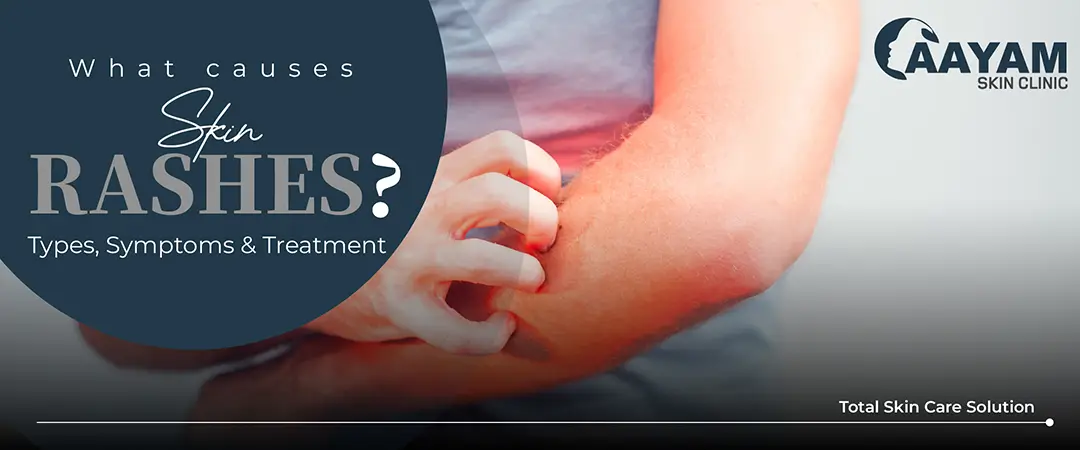
A skin rash may start as a small itchy area and spread to a larger area. It can be red, dry, rough, scaly, swollen or lumpy. Some rashes are painful or burning, and others are mostly itchy. Sometimes the appearance alone doesn't tell you what is wrong because allergies, infections, eczema, heat and several other skin problems can look similar.
According to Healthline, skin rashes can be caused by many things including contact dermatitis, infections, insect bites, eczema, psoriasis and drug reactions. What treatment you’ll get depends on what caused the rash.
What Causes Skin Rashes? Types, Symptoms & Treatment Explained
Understanding What Causes Skin Rashes? Types, Symptoms & Treatment starts with looking at what happened before the rash appeared. Did you change your soap? Wear new jewellery? Spend a long time in the heat? Start a medicine? Get an insect bite?
Common causes of skin rashes include:
- Soaps, detergents, perfumes, and cosmetics
- Allergic reactions
- Heat and heavy sweating
- Dry skin
- Fungal, bacterial, or viral infections
- Insect bites
- Certain medicines
- Eczema and psoriasis
- Jewellery and metals such as nickel
- Plants and other substances that irritate the skin
The location also matters. A rash on neck, for example, may have a different trigger from an itchy rash between the fingers or a circular patch on the arm.
Different Types of Rashes and Their Symptoms
There are many different types of rashes, and each can behave differently. Some will leave if you remove the trigger, others will need treatment.
Contact Dermatitis
Contact dermatitis occurs after the skin comes into contact with an irritant or something that causes an allergic reaction. Common triggers include soaps, fragrances, cosmetics, jewellery, detergents, and cleaning products.
It can cause itching, redness, dryness, scaling, blisters, or cracked skin. Healthline notes that symptoms may appear within hours or days of contact with the trigger.
Eczema
Eczema often causes dry, itchy and inflamed skin. Some people have mild patches, while others experience repeated flare-ups.
Heat, sweating, weather changes, fragrances, and harsh skin products may make symptoms worse in some people. A proper skin-care routine and treatment can help keep flare-ups under control.
Psoriasis
Psoriasis can cause thick, scaly patches that commonly develop around the elbows, knees, scalp, and lower back. The affected areas may itch or feel uncomfortable.
Psoriasis and eczema can sometimes look alike, especially to someone without medical training. This is one reason recurring rashes are better checked rather than treated by guesswork.
Fungal Rashes
Ringworm is one example of a fungal skin infection. It can form an itchy, circular patch with a raised, scaly edge. Healthline notes that the border may appear more noticeable than the centre.
Tiny Itchy Bumps on Skin: What Could Be Causing Them?
Tiny itchy bumps on skin are common, but there is no single cause. They may appear because of heat rash, insect bites, eczema, contact dermatitis, scabies, or an allergic reaction.
Look at how the bumps behave. Do they itch more at night? Did they appear after using a new body lotion? Are they spreading? Does anyone else in your home have similar itching?
These small details can help a dermatologist narrow down the cause. Avoid scratching because broken skin can become sore and may develop an infection.
Causes of Red Patches on the Body
There are several possible causes of red patches on the body. They include eczema, contact dermatitis, psoriasis, fungal infections, heat rash, allergies, insect bites, and reactions to medicines.
Red is not the only colour a rash can have. Depending on skin tone and the condition involved, an affected area may look pink, purple, grey, brown, or darker than the surrounding skin.
This is why colour should never be the only factor used to decide what type of rash you have.
Rash on Neck and Skin Irritation
A rash on neck may develop because the skin in this area regularly comes into contact with sweat, perfume, jewellery, hair products, clothing, and cosmetics.
Common reasons for skin irritation around the neck include perfume sprayed directly onto the skin, artificial jewellery, tight collars, hair dye, fragranced creams, and excessive sweating.
If the problem started after you introduced a new product, stop using that product and see whether the irritation settles. A recurring neck rash may be linked with Skin Allergy, eczema, fungal infection, or contact dermatitis.
Home Remedies for Red Patches on the Body
People often look for home remedies for red patches on the body when a rash appears suddenly. Simple care may help when the irritation is mild and there are no worrying symptoms.
You can wash the area gently with lukewarm water, avoid strongly scented products, wear loose clothing, and use a plain fragrance-free moisturiser if the skin is dry. A cool compress can also help with mild itching.
Avoid scratching and do not keep applying different home mixtures to irritated skin. If a rash spreads, becomes painful, starts blistering, or fails to improve, home care is not enough.
Skin Allergy Cream: Which One Should You Use?
Searching for a Skin allergy cream may seem like the quickest answer, but the wrong cream can cause more trouble.
A fungal infection needs different treatment from eczema. Contact dermatitis may improve after removing the trigger, while bacterial infections can require another type of medicine. Steroid creams are also not suitable for every unexplained rash.
If you do not know what is causing the problem, get the skin checked before repeatedly applying medicated creams.
Treatment for Different Types of Rashes
Treatment depends on the cause, symptoms, location, and severity of the rash. Depending on the diagnosis, treatment may include moisturisers, anti-inflammatory creams, antifungal medicines, medicines for itching, or treatment for an infection.
Dr. Abhilasha Patidar at Aayam Skin Clinic can check the rash and its location, ask about its history and possible triggers. This is especially helpful if Skin Rashes, Skin Allergy, Eczema and Psoriasis have similar symptoms.
When Should You See a Dermatologist?
Book a skin consultation when a rash keeps returning, spreads quickly, becomes painful, causes severe itching, forms blisters, or develops pus or crusting.
Seek urgent medical care if a rash occurs with breathing difficulty, swelling of the face or throat, severe pain, dizziness, or other serious symptoms. Healthline also advises medical attention for rashes accompanied by concerning symptoms such as breathing problems, swelling, fever, or rapidly worsening skin changes.
Knowing the cause is more useful than simply covering the symptoms with a cream. Once you know what is behind the rash, you can avoid its triggers and choose treatment that suits the actual skin problem.
FAQs
1. What causes tiny itchy bumps on skin?
Insect bites, heat rash, eczema, contact dermatitis, scabies and allergic reactions can all cause tiny itchy bumps.
2. What are the common types of rashes?
Common types of rashes: Contact dermatitis, eczema, psoriasis, fungal rashes, heat rash and rashes caused by infections.
3. What causes a rash on neck?
Sweat, perfume, jewellery, cosmetics, hair products, eczema, fungal infections, and contact allergies may cause a neck rash.
4. Can home remedies for red patches on the body help?
Basic care can help mild irritation but spreading, painful, infected or persistent red patches should be checked by a dermatologist.
5. Can I use Skin allergy cream for every itchy rash?
No. The cause of an itchy rash could be allergy, eczema, fungus, infection or some other condition. Treatment should be directed to the cause.