Sun Allergy on Skin: Symptoms, Causes and Treatment
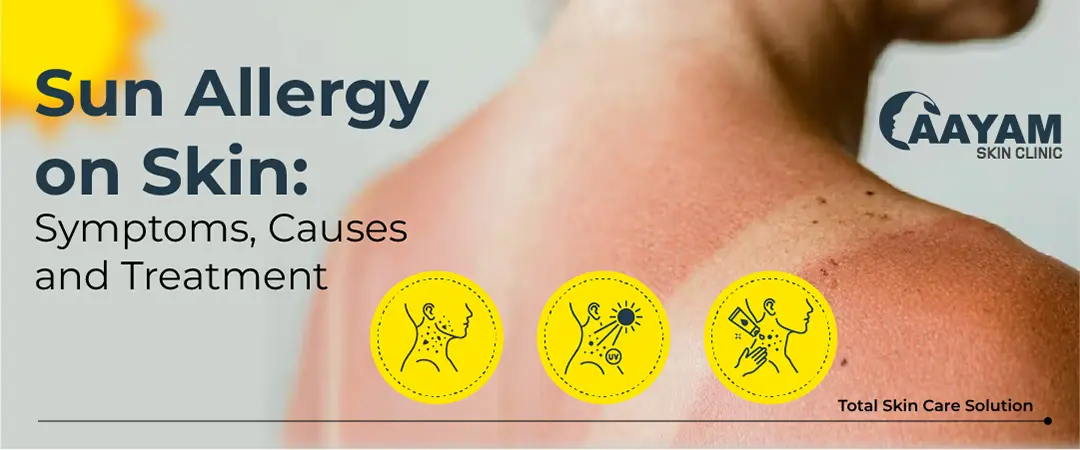
Have you ever come in from outside and noticed little red bumps on your arms or neck? You may find your skin itching, getting hot or developing red patches. Even a short walk in the sun can sometimes cause these problems.
These reactions are often confused with simple sunburn. But a sun allergy is something else. It happens when your skin reacts to sunlight and symptoms can show up within minutes or several hours. Some people experience this problem every summer, while others notice it suddenly.
Sun Allergy on Skin: Symptoms, Causes and Treatment for Redness, Itching and Sun Rashes
Sun allergy is a condition in which sunlight causes an unusual skin reaction. A person may develop red spots, itchy patches, or tiny bumps after spending time outdoors.
Polymorphous light eruption (PMLE) is a common condition seen by physicians. It causes an itchy rash after exposure to the sun.
A sun allergy rash commonly appears on the neck, chest, arms, and hands. Some people also notice a sun rash on the face. The rash may disappear within a few days if the person stays away from direct sunlight.
What Are the Symptoms of Sun Allergy?
Sun allergy symptoms can look different on different people. Some develop small bumps, while others notice redness or swelling.
Common symptoms include:
- Small red bumps after sitting in the sun
- Itchy patches on the arms or neck
- Burning or stinging skin
- Redness around the affected area
- Tiny blisters filled with fluid
- Swelling in areas exposed to sunlight
- A sun rash on arms, chest, or shoulders
Sometimes, sun bumps look similar to pimples. However, a sun allergy rash is not the same as acne.
If the itching or swelling becomes severe, consult a dermatologist.
Why Am I Suddenly Allergic to the Sun?
You may have spent years outdoors without experiencing any skin problems. Then suddenly, your skin starts itching whenever you go outside.
There are several possible reasons.
- Your Skin Reacts to Sunlight
Some people develop PMLE when their skin receives more sunlight than usual. This often happens during the first few weeks of summer.
- Certain Medicines
Some antibiotics, painkillers, and acne medicines can increase sun sensitivity. These medicines may cause skin reactions when you spend time outdoors.
- Perfumes and Skincare Products
Certain perfumes, creams, and other skincare products can react with sunlight. This may cause redness, itching, or a rash from sun exposure.
- Existing Skin Conditions
People with eczema or certain other skin conditions may notice changes after sunlight exposure. However, these problems do not always mean they are allergic to the sun.
Sun Allergy Rash and Sunburn Rash: Are They Different?
A sunburn rash usually appears after spending too much time in strong sunlight. The affected skin becomes red, painful, and warm. Peeling may follow after a few days.
A sun allergy may develop even after a short period outdoors. Itching and small raised bumps are common.
Sun poisoning rash is another term for severe sunburn. Severe sunburn may cause blisters, fever, or nausea and needs medical attention.
Sun Allergy Treatment: What Helps an Itchy Sun Rash?
If you notice a rash after sun exposure, move indoors or find a shaded place.
For mild symptoms, you can try the following:
- Wash the affected area gently with cool water.
- Hold a clean, damp cloth against the itchy skin.
- Apply a plain, fragrance-free moisturiser.
- Avoid scratching the affected area.
- Stop using harsh scrubs or irritating creams.
- Keep the affected skin away from direct sunlight.
These steps may help mild symptoms settle.
When Is Medical Sun Rash Treatment Needed?
If the rash keeps coming back, you should visit a dermatologist.
Your doctor may recommend antihistamines for itching or a prescribed cream to reduce inflammation. People with repeated sun reactions sometimes need other treatments.
Avoid using steroid creams on your face without a doctor's advice.
How Can You Prevent Sun Allergy?
If your skin reacts whenever you step outside, pay attention to how you protect it.
Use a broad spectrum sunscreen SPF 30 or higher before going outside. Choose a fragrance-free sunscreen if your skin gets irritated easily.
Wear full-sleeved cotton clothes, a hat, and sunglasses. Try to stay out of strong midday sunlight.
People undergoing treatment for pimples, marks and scars, psoriasis, eczema, or other skin problems should ask their dermatologist whether their medicines make the skin more sensitive to sunlight.
Can Sun Allergy Leave Dark Marks or Scars?
Most sun allergy rashes disappear without leaving permanent scars. But scratches on the inflamed skin can leave dark marks, particularly if the inflammation lasts for several days.
They are distinct from dark circles, acne marks or pigmentation caused by other skin conditions.
Sun allergy also does not cause warts, skin tags, or vitiligo. Procedures such as wart removal, skin tag removal, and vitiligo surgery treat separate skin problems.
When Should You Visit a Skin Doctor?
If you experience a rash after sun exposure on a recurring basis, don’t ignore it. A dermatologist can check whether you have a sun allergy, eczema, or a reaction to a medicine.
Visit Aayam Skin Clinic, Indore and consult dermatologist for sun allergy, skin rashes, itching and other skin problems. A skin examination helps the doctor understand the problem and suggest suitable treatment.
Frequently Asked Questions
1. What causes sun allergy, and how can I tell if I have it?
Sunlight may trigger a skin reaction that causes itching, red patches, or small bumps. A dermatologist can confirm the cause.
2. When should I see a dermatologist for a sun allergy?
Visit a dermatologist if the rash keeps coming back, spreads, becomes painful, or does not improve.
3. Can sun allergy cause permanent skin damage or scarring?
Most rashes heal without scars. However, scratching or severe inflammation may leave dark marks.
4. How do I treat sun allergy on my face and neck?
Stay away from sunlight, apply a cool compress, and avoid harsh skincare products. See a doctor if the rash continues.
5. How do I choose sunscreen for sensitive or reactive skin?
Choose a fragrance-free, broad-spectrum sunscreen with SPF 30 or higher. Mineral sunscreens may suit some people with sensitive skin.