Dandruff vs Dry Scalp: Causes, Symptoms & Treatment
White flakes on your hair or clothes can be annoying, especially when you do not know why they keep coming back. Many people call every flaky scalp “dandruff,” but that is not always correct. Sometimes the scalp is simply too dry.
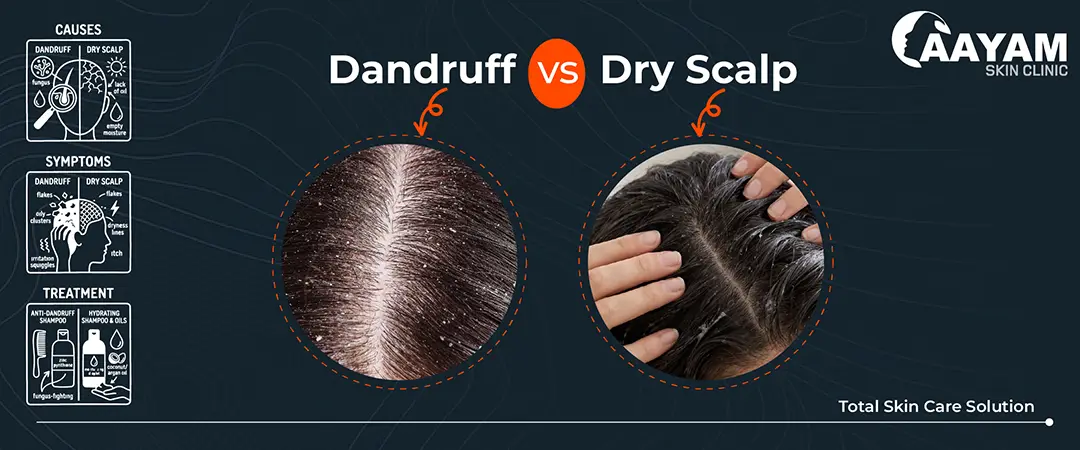
The dandruff vs dry scalp difference mainly comes down to oil and moisture. A dry scalp is a scalp that lacks moisture and the skin can become rough, tight and flaky. Dandruff is often a result of the scalp becoming oily and skin shedding faster than it normally would.
Both conditions can itch, so it is easy to mix them up. Knowing what is causing the flakes helps you choose the right shampoo, scalp care and treatment.
Dandruff vs Dry Scalp: Causes, Symptoms & Treatment – Know What Your Scalp Is Telling You
When comparing dry scalp vs dandruff, look at the type of flakes and how your scalp feels.
Dry scalp usually causes tiny, dry, white flakes. Your scalp may feel tight after washing, and the skin may feel rough. People with very dry skin may notice similar dryness on their face, hands or other areas.
Dandruff can cause larger flakes that may look white or slightly yellow. The scalp can feel greasy and itchy. Some people also notice mild redness around the hairline.
Here is a quick way to tell them apart:
| Scalp Sign | Dry Scalp | Dandruff |
|---|---|---|
| Flakes | Small and dry | Larger, sometimes oily |
| Scalp feel | Tight or rough | Oily or itchy |
| Redness | Less common | May happen |
| Oil | Usually low | Often more |
| Itching | Common | Common |
If you have a flaky scalp not dandruff, dryness or irritation from hair products may be the reason.
What Causes Dry Scalp?
If you are wondering what causes dry scalp, start by looking at your daily hair routine.
Hot water can strip moisture from the scalp. Strong shampoos, hair colours, styling sprays and frequent washing can also leave the scalp dry. Cold weather and low humidity may make the problem worse.
Some people also react to ingredients in shampoos, oils or hair dyes. This can lead to itching, dryness or skin allergy.
Common reasons for a dry scalp include:
- Washing hair with very hot water
- Using harsh shampoo too often
- Cold or dry weather
- Hair colour or chemical treatments
- Not giving the scalp enough moisture
- Skin problems such as eczema or psoriasis
If dryness stays for weeks despite changing your hair routine, it is better to have the scalp checked.
Is Dandruff Bad for Hair?
People often ask, is dandruff bad or whether it can cause permanent hair loss.
Mild dandruff usually does not damage hair roots. The bigger problem is constant scratching. Scratching with nails can hurt the scalp, cause small wounds and increase irritation.
If dandruff comes with heavy hairfall/baldness, red patches, painful areas or thick scales, do not keep changing shampoos on your own. These signs may point to another scalp condition.
Dr Abhilasha Patidar checks the scalp before deciding what type of care may suit the problem. This helps separate simple dandruff from other skin or hair concerns.
How to Remove Dandruff From Hair
There is no single answer to how to remove dandruff from hair because treatment depends on why dandruff is happening.
Anti-dandruff shampoos are often the first choice. Some contain ketoconazole, salicylic acid, selenium sulfide or other ingredients used for scalp flaking.
For better dandruff removal, follow a few basic habits:
- Wash your scalp regularly.
- Do not scratch flakes with your nails.
- Rinse shampoo properly.
- Avoid too much hair gel, spray or wax.
- Keep combs and pillow covers clean.
- Use medicated shampoo as advised.
- Do not switch products every few days.
If a shampoo makes your scalp burn, sting or become very dry, stop using it and speak to a dermatologist.
How to Remove Dandruff Naturally
Many people search for how to remove dandruff naturally before using medicated products.
Keeping the scalp clean and avoiding heavy product buildup can help. A mild shampoo may work better than strong cleansing products if your scalp is sensitive.
Home remedies such as lemon juice, vinegar or undiluted essential oils can irritate some scalps. Natural does not always mean gentle. If your scalp is already red or sore, experimenting with several remedies can make the problem worse.
A simple hair routine is often a better starting point.
How to Cure Dandruff Permanently
People frequently search how to cure dandruff permanently, but dandruff can return from time to time.
Some people notice it more during winter. Others get flare-ups when the scalp becomes oily or irritated. The goal is usually to keep dandruff under control and reduce how often it comes back.
Once symptoms improve, you may still need to use an anti-dandruff shampoo from time to time, depending on your scalp.
If dandruff keeps returning, Dr. Abhilasha Patidar at Aayam Skin Clinic can check whether the flakes are linked with dandruff, dryness, seborrheic dermatitis, psoriasis or another condition.
When Should You See a Dermatologist?
See a dermatologist if your scalp becomes very itchy, painful, swollen or red. You should also book a consultation when flakes do not improve after regular care.
Do not ignore sudden hairfall, thick patches, scalp sores or bleeding after scratching. These signs need more than routine dandruff removal.
People dealing with ongoing scalp and hair concerns may also benefit from discussing various treatments for hair growth after the cause of hair loss has been checked.
FAQs
1. Is dry scalp the same as dandruff?
No. Dry scalp usually comes from lack of moisture, while dandruff is often linked with oil and faster skin shedding.
2. Can dandruff cause hair fall?
Dandruff may not directly cause baldness, but heavy scratching and scalp irritation can affect hair health.
3. Why does dandruff keep coming back?
Oil, scalp yeast, weather changes and seborrheic dermatitis can make dandruff return.
4. Can oil remove dandruff?
Not always. Heavy oiling may make an oily, dandruff-prone scalp feel worse in some people.
5. When should I visit a skin doctor for dandruff?
Visit a dermatologist if flakes keep returning, itching becomes severe or you notice redness, sores or hair loss.